How to Make a Holiday Home Disability Friendly (In-Depth Owner Guide)
If you are a holiday let owner, improving accessibility is one of the strongest upgrades you can make. It expands your audience, boosts trust, and helps you stand out in a crowded market. This guide goes into what actually matters for real guests, with practical steps you can action.
Accessibility laws and standards vary by country. In the UK, holiday accommodation is covered by the Equality Act 2010 and the duty to make reasonable adjustments. In other regions, guests may reference standards such as ADA compliance. Regardless of location, the practical principles of accessibility are the same: remove avoidable barriers, provide clear information, and design spaces that real people can use safely and independently.
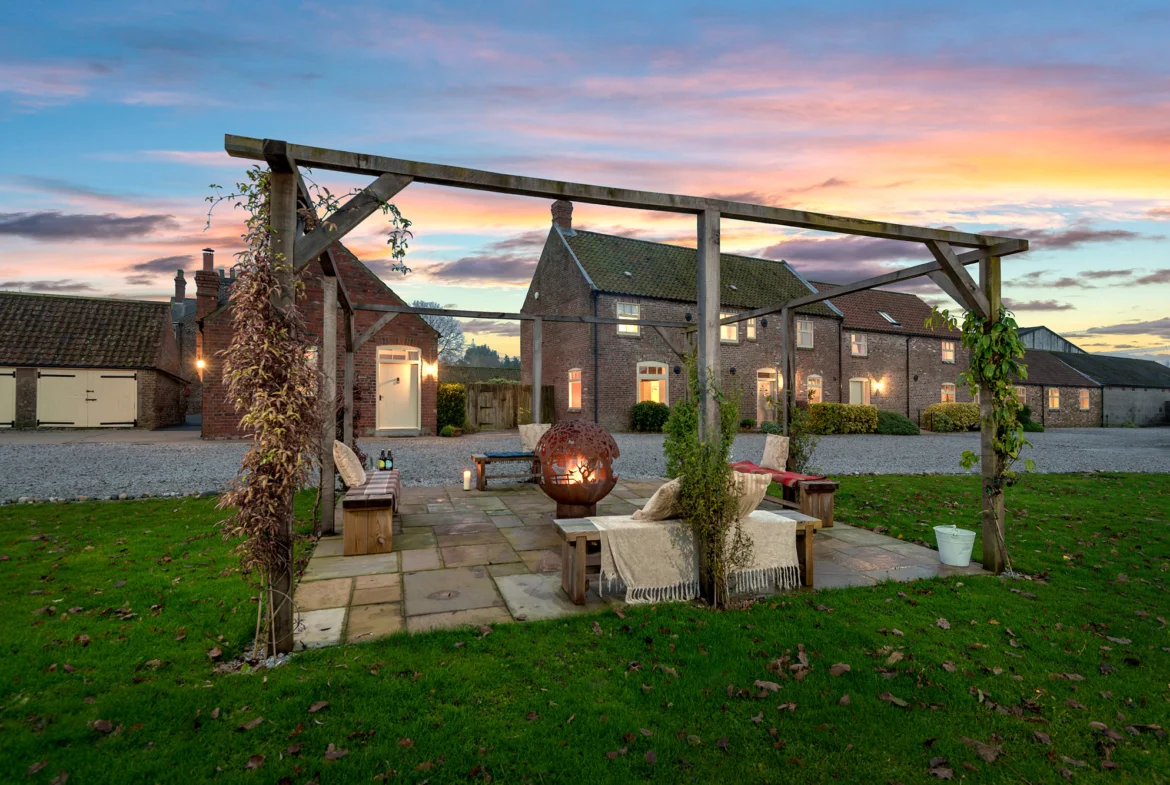
Image prompt: Inviting holiday cottage exterior with step free access from parking, gentle ramp, wide door, warm lighting, and a relaxed holiday vibe. Realistic photography, natural colours.
Accessibility standards: UK, international, and what owners really need to know
There is no single global definition of an accessible or disabled friendly holiday home. Different countries use different laws, building regulations, and guidance. What matters most to guests is not the name of the standard, but whether your property actually works for their needs.
In the UK, accessibility is guided by the Equality Act 2010 and the concept of reasonable adjustments. In other countries, travellers may be familiar with terms like ADA compliance or local building codes. This guide focuses on practical usability rather than legal labels, so owners anywhere can apply the advice.
Quick wins you can do this weekend
- Remove loose rugs and reduce clutter on main routes.
- Improve lighting at the entrance and along paths.
- Add clear written instructions with photos for heating, shower, and locks.
- Fit lever handles on doors and taps where possible.
- Measure and record doorway widths, bed height, and shower step height.
High impact upgrades (usually worth it)
- Step free entrance solution (ramp or regraded path).
- Level access shower or wet room conversion.
- Widening key doorways or using offset hinges.
- Creating an entrance level bedroom option.
- Adding grab rails in the right places (not just “where they fit”).
1) Arrival and step free access (where most properties fail)
If guests cannot get from parking to the front door safely, nothing else matters. “One step” is still a barrier for many people. Start by mapping the entire arrival route as if you were using a wheelchair, walking with a frame, or pushing a buggy.
- Parking: Provide a firm, level(ish) space near the entrance. If possible, keep it wide enough for a wheelchair transfer alongside a vehicle.
- Pathways: Firm surface, minimal gravel, and avoid sudden cambers. Ensure good drainage so puddles do not form.
- Ramps: A gentle gradient is essential. If using a portable ramp, state the maximum safe load and the exact step height it covers.
- Thresholds: Keep them low. If you have a lip, consider a small threshold ramp.
- Doors: A wide clear opening and easy-to-use handles (lever handles are best). Consider a door closer that is not too strong.
- Lighting: Motion lighting helps guests arriving in the dark and improves confidence for visually impaired guests.
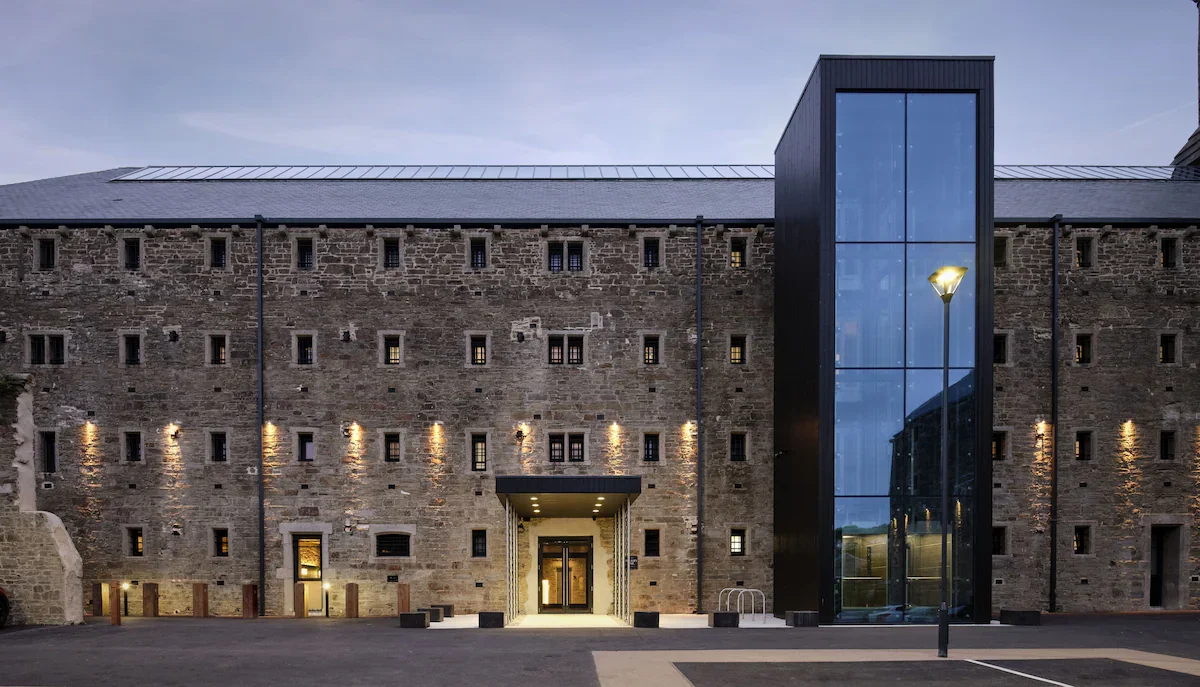
Image prompt: Close-up of hotel entrance showing a gentle ramp, discreet handrails, level threshold, wide doorway, and warm lighting. Realistic photography.
2) Internal layout and wheelchair friendly flow
Inside the property, the priority is clear routes, turning space, and surfaces that reduce fatigue and risk. Open plan spaces are often easier, but any home can work if circulation is planned.
- Clear routes: Create an obvious path from entrance to lounge, kitchen, accessible bathroom, and an entrance-level bedroom if you have one.
- Turning space: Provide open areas where a wheelchair user can turn without moving furniture. This is especially important in living areas and bathrooms.
- Flooring: Smooth, non slip, and low resistance (thick carpets can be exhausting). Avoid abrupt changes between flooring types.
- Furniture placement: Leave space next to seating for transfers. Avoid coffee tables blocking the main route.
- Controls: Thermostats, light switches, sockets, and appliance controls should be reachable and clearly labelled.
- Stairs: If your property is multi-level, be honest. Consider whether you can provide an entrance-level sleeping option.
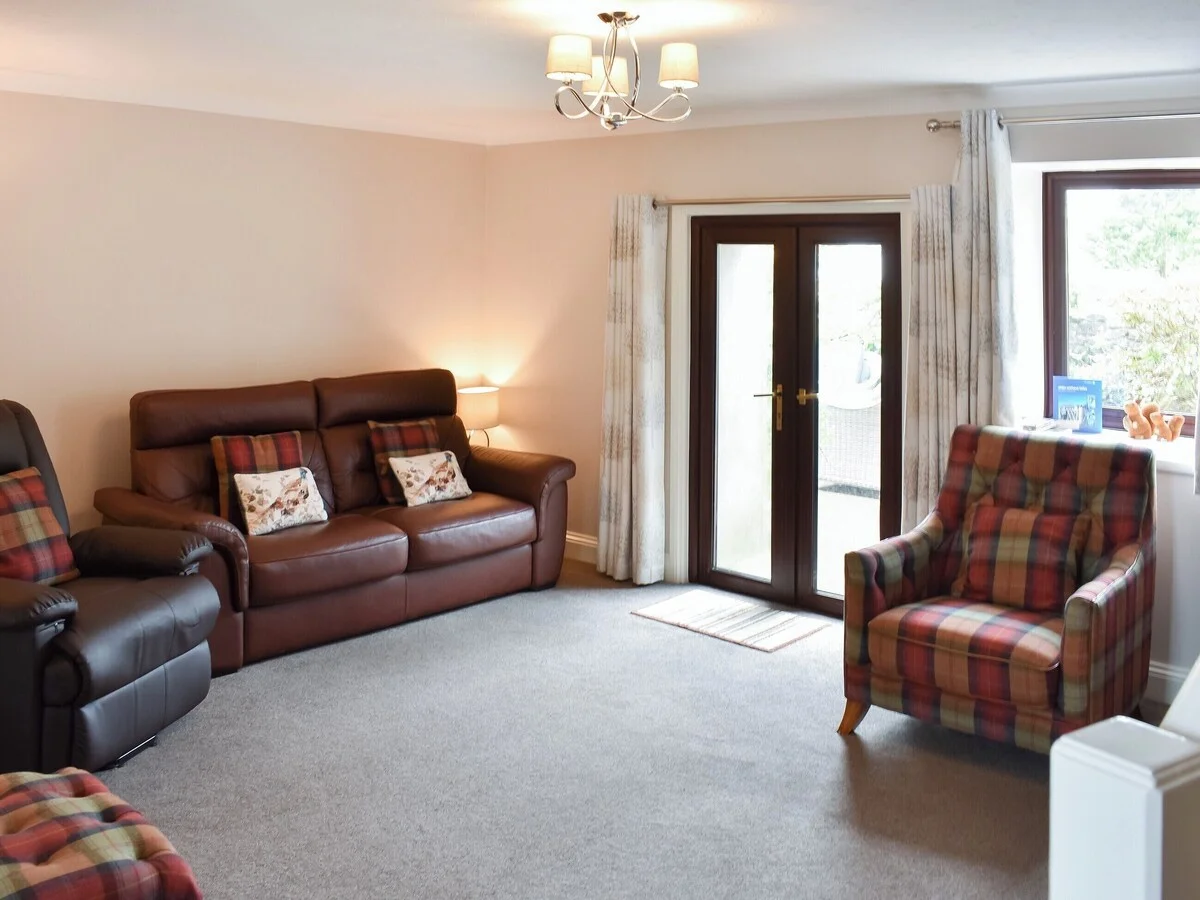
Image prompt: Wide-angle shot of a lounge with uncluttered floor space, wide pathways, and furniture spaced for wheelchair turning. Natural daylight, realistic photography.
3) Bathrooms that work in real life (not just on paper)
Bathrooms are the number one reason disabled travellers abandon a booking. A property can have great step free access, but if the shower has a high step, or there is no transfer space, it becomes unusable for many guests.
- Level access shower: A true step free shower or wet room is ideal. If there is a lip, measure it and state it clearly.
- Seat: A stable shower chair can work can make or break a guests holiday, however make sure it is robust and clean.
- Grab rails: Place rails where people actually use them: entry, seat area, and near the toilet for transfers. Avoid towel rails marketed as “support rails”.
- Controls: Thermostatic controls reduce scald risk. Put them where they can be reached from seated position.
- Non slip surfaces: Use non slip flooring and consider additional anti slip treatments if needed.
- Toilet space: Ensure there is side space for transfers and a clear approach route.
- Sink usability: Consider knee clearance and lever taps for easier use.
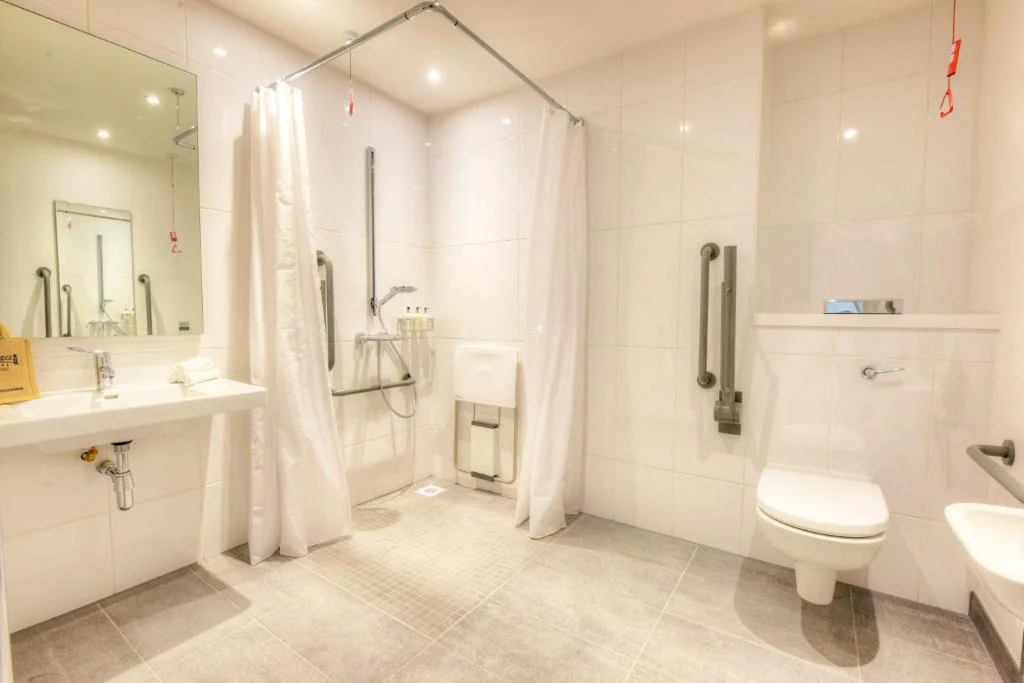
Image prompt: Modern, stylish wet room in a holiday let with level access shower, fold down seat, grab rails, realistic photography.
4) Bedrooms: comfort, transfers, and realistic space
Guests need space to approach the bed, transfer safely, and store equipment. Your bedroom does not need to be huge, but it must be organised around usable clearance rather than decorative furniture.
- Entrance-level option: If possible, provide a bedroom on the same level as the main living space.
- Space beside the bed: Leave clear space on at least one side for transfer. Consider removing bulky bedside cabinets.
- Bed height: Avoid unusually low beds. Provide a measured bed height so guests can judge transfer suitability.
- Lighting: Easy-to-reach switches and bedside lighting that is simple to operate.
- Charging and medical equipment: Provide accessible sockets near the bed and space for small equipment.
- Storage: Provide reachable hanging and shelves. Consider a lower rail section.
- Bed: Consider your audience, equipment such as profiling beds or electric adjustable beds can open your property to an audience who may have otherwise not been able to use a standard bed.
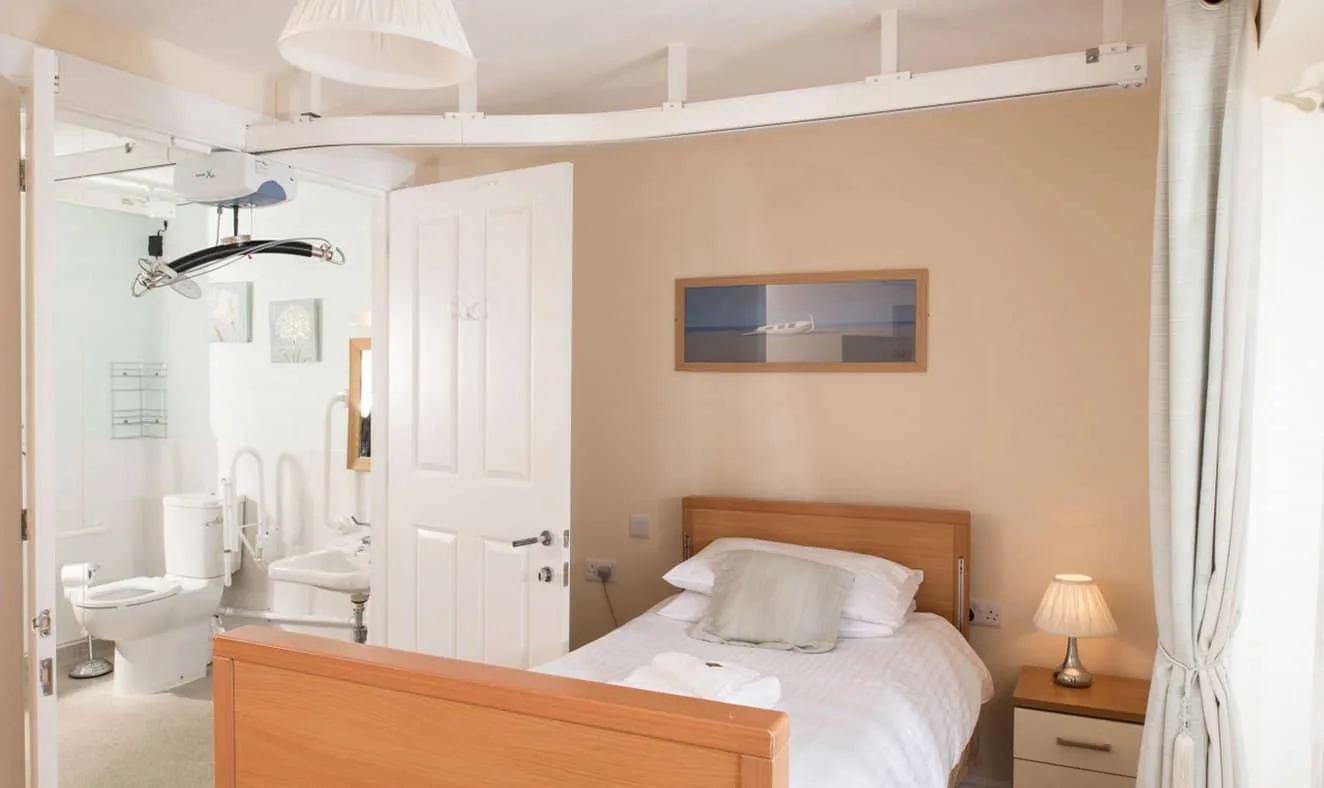
Image prompt: Holiday let bedroom with profiling bed, tracked ceiling hoist, space on both sides, reachable sockets, warm natural light. Realistic photography.
5) Kitchen usability: reach, safety, and independence
Guests do not expect a fully adapted kitchen in every holiday home, but they do value small changes that remove frustration. Your goal is to reduce reaching, bending, and risk, while keeping the space practical for everyone.
- Clear floor space: Ensure there is room to move between key zones (sink, hob, fridge, table).
- Lever taps: Easier for guests with limited grip strength, arthritis, or fatigue.
- Front-facing controls: Reduce the need to lean over heat sources.
- Appliance positioning: Microwave, kettle, and commonly used items at reachable height.
- Worktop options: If possible, include a lower worktop or a section with knee clearance.
- Seating: Provide chairs with arms for easier standing support.
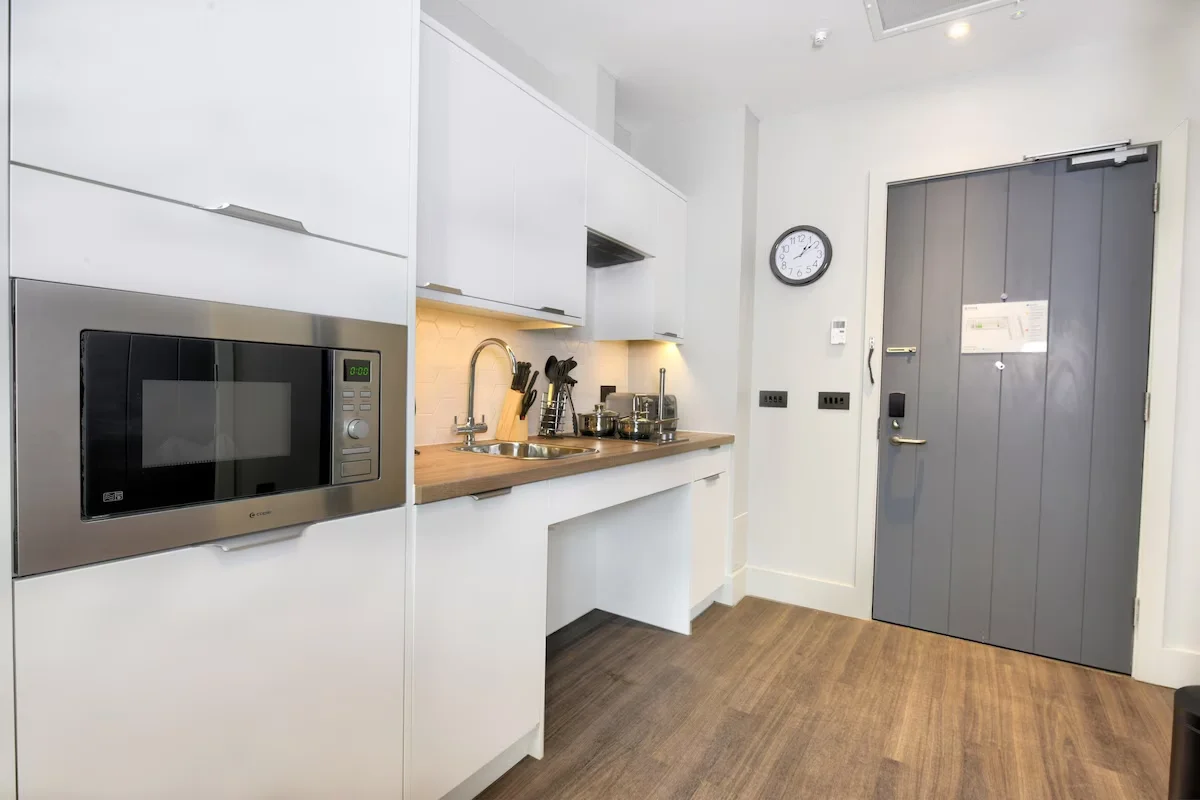
Image prompt: Holiday let kitchen with wide clear floor space, lever tap, reachable microwave, simple layout,accessible counter with space for wheelchair approach. Realistic photography.
6) Sensory and hidden disabilities: the part most listings ignore
Disabled friendly is not only about wheelchairs. A deeply inclusive holiday home considers sensory comfort, predictable routines, clarity of information, and features that reduce anxiety and overload.
- Lighting: Avoid harsh glare. Use consistent lighting on stairs, corridors, and entrances.
- Noise: Improve soft furnishings where possible to reduce echo. Be honest about nearby roads or nightlife.
- Clear instructions: Provide step-by-step instructions with photos for heating, hot water, and appliances.
- Visual clarity: Use contrast for key edges (door frames, steps). Keep routes uncluttered.
- Check-in simplicity: Straightforward access method and easy emergency contact details.
- Quiet zone: A calm bedroom or snug space can be a huge benefit for families and guests with sensory sensitivities.
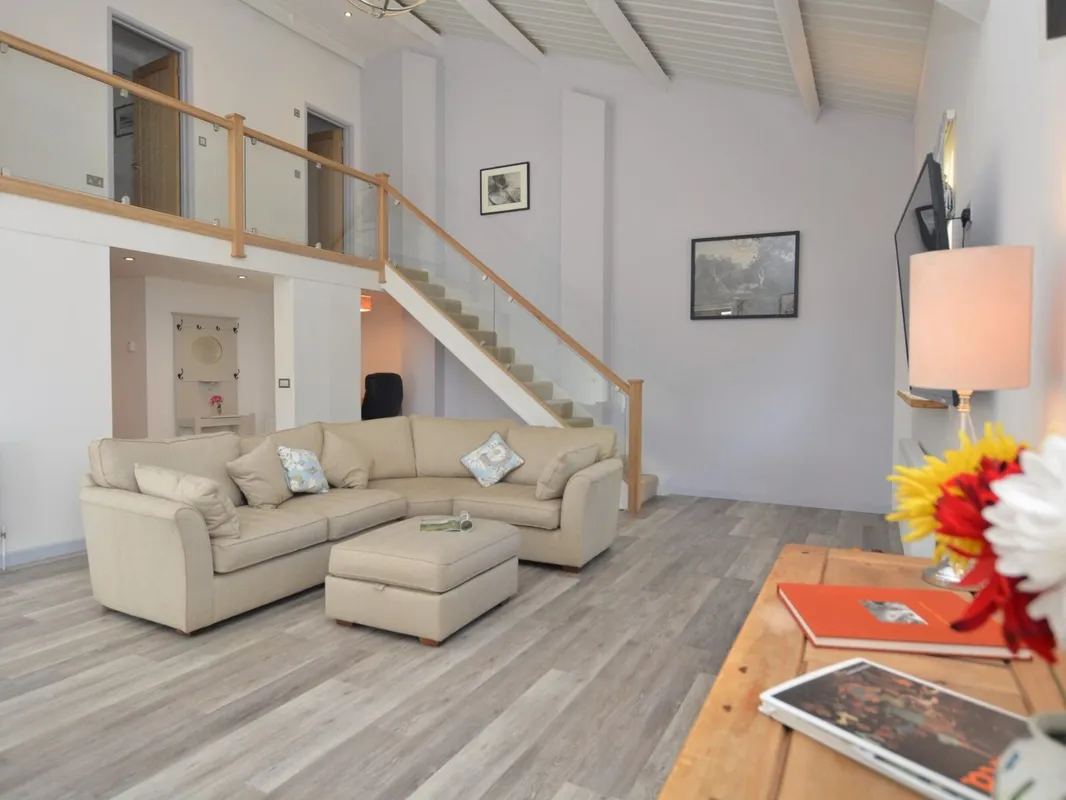
Image prompt: Calm, uncluttered holiday let room with soft lighting, neutral decor, clear signage, and comfortable seating. Realistic photography with a peaceful feel.
7) How to describe accessibility honestly (this is where bookings happen)
Many owners lose bookings because their listing is vague. Guests are not looking for marketing language. They are looking for facts that let them judge suitability. The more specific you are, the more confident guests feel booking.
- Use clear measurements: Door widths, thresholds, shower entry height, bed height, parking distance, and any steps.
- Show real photos: Entrance route, bathroom layout, bed clearance, and turning space.
- Be upfront about limitations: For example, “step free entrance, but one internal step to the patio”.
- Describe surfaces: Gravel, steep driveways, thick carpets, narrow corridors. These matter.
- Explain equipment: Shower chair type, rails, hoists (if any), and whether items are fixed or portable.
Organisations and guidance that can help owners
Accessibility guidance varies by country, but the organisations below provide trusted advice, research, and practical support that can help holiday let owners improve usability, understand local expectations, and describe accessibility accurately to guests.
-
Centre for Accessible Environments (UK)
Guidance on inclusive design and access audits -
VisitEngland Accessibility
Tourism-focused accessibility guidance and resources -
Disabled Holiday Information (UK)
Advice and information around disabled friendly holidays -
ADA National Network (US)
ADA guidance and support resources for accessibility compliance -
Access Association (US)
Accessibility training, standards, and professional resources
Always follow local laws and building regulations in your country. International guidance can be useful for best practice, but clear, honest descriptions of your actual features matter more to guests than any specific label.
Want your disability friendly holiday home to be found by the right guests?
Making improvements is only half the work. The other half is being visible to a dedicated audience already searching for wheelchair friendly, accessible and disabled friendly holidays. If your property has step free access, usable bathroom facilities, clear layouts, or thoughtful sensory features, you need a platform that highlights those details properly.
Disability Destinations helps you market your property to travellers who specifically need accessibility information to book with confidence. We focus on clear filters, honest detail, and matching guests with the features that matter most.
List your property with Disability DestinationsTip: When you list, include measurements (door widths, thresholds, shower entry height, bed height) and photos of routes and bathroom layout. This increases trust and conversions.